Cervical Cancer Screening for Young Women: Expert Debate on Guidelines
According to Medical Xpress coverage of a new "Beyond the Guidelines" feature in Annals of Internal Medicine, a primary care physician and an obstetrician-gynecologist couldn't fully agree on the…
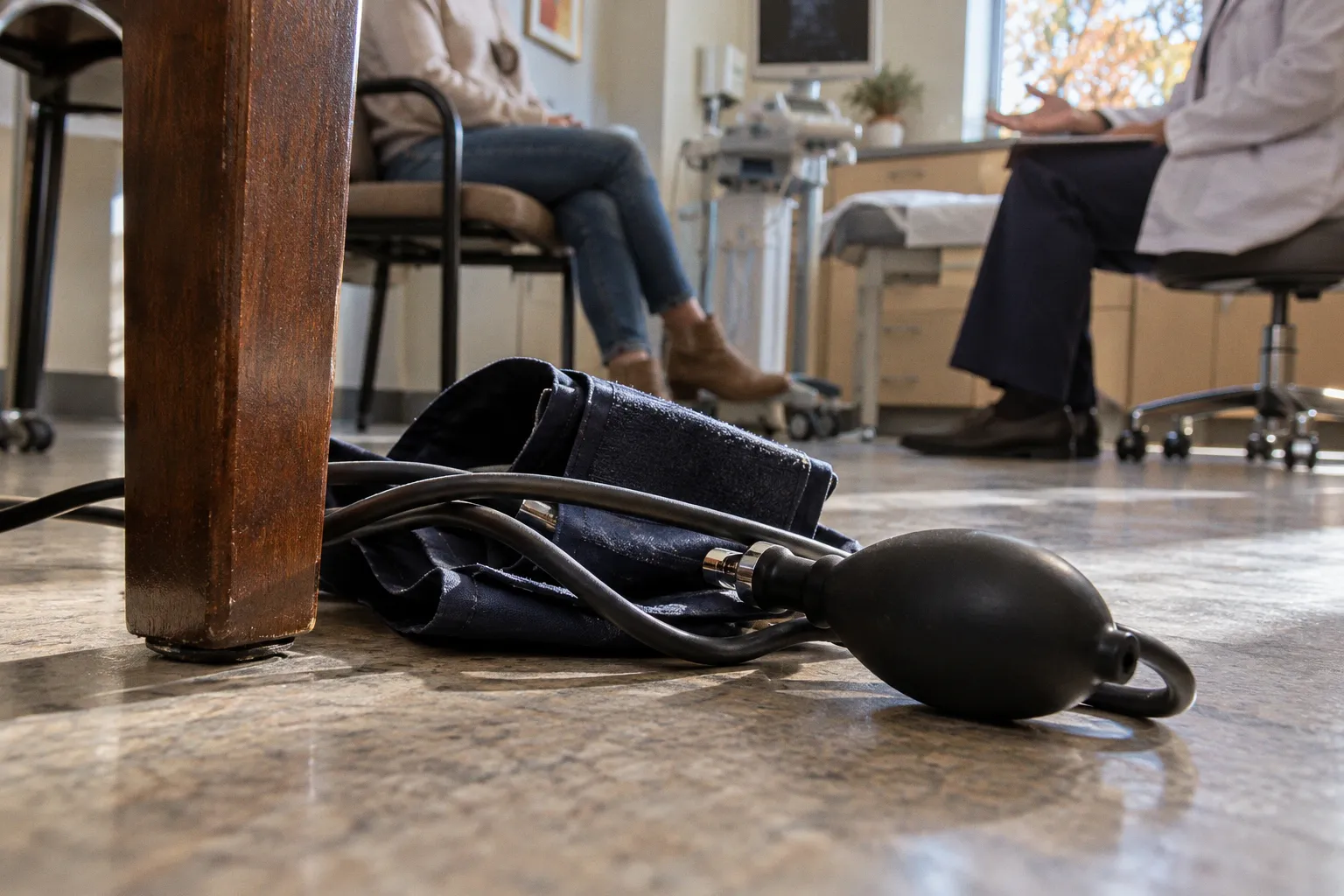
According to Medical Xpress coverage of a new "Beyond the Guidelines" feature in Annals of Internal Medicine, a primary care physician and an obstetrician-gynecologist couldn't fully agree on the optimal screening approach for a healthy 26-year-old woman, a real-world case that exposes how much "standard of care" now depends on which guideline your clinician follows. The discussion maps out differences between the American Cancer Society recommendations, the Women's Preventive Services Initiative, and the draft U.S. Preventive Services Task Force update, all of which favor primary HPV testing but diverge on start age, testing strategy for younger women, and the role of self-collected samples. For you, the practical takeaway is that there is no single right answer anymore, and your next appointment is where those differences get resolved.
Where the experts actually split
The case under review: a 26-year-old with three prior negative Pap tests starting at age 21, no STIs, uncertain HPV vaccination status, and a mother diagnosed with ovarian cancer at 59. Both experts agreed that persistent high-risk HPV infection drives nearly every case of cervical cancer and that getting more people screened is the bigger public health win. Both also agreed self-collected HPV testing could break down access barriers, especially for survivors of sexual violence. The disagreement was operational: when to start HPV-based screening in someone her age, whether to co-test, and how to follow a positive self-collected result without losing the patient to a fragmented system.
Your screening decision, mapped
If you are 25 to 29 with prior normal Paps, current draft guidance supports moving toward primary HPV testing, but the start age and interval are not identical across the three documents your provider may cite. If your HPV vaccination status is unclear, ask the front desk to pull it from your state immunization registry before the visit, because assuming protection is not the same as confirming it. If you carry a family history of ovarian or other gynecologic cancers, your baseline risk conversation shifts, and your plan should reflect that, not just your cervical cancer risk. If a speculum exam is the reason you keep postponing, ask directly whether self-collected HPV testing is offered in that practice, and if not, request a referral to a clinic that does.
What to verify before you book
Pull your records and confirm three data points: the exact dates and results of every prior Pap or HPV test, your HPV vaccination record including the number of doses, and any family history of cervical, ovarian, or uterine cancer. At the appointment, name the guideline your provider is following; if they can't cite it, that's your signal to seek a second opinion. Ask what the follow-up protocol looks like if a self-collected HPV test returns positive, since the Annals discussion flagged this as an unresolved operational gap. And if you have trauma around pelvic exams, say so explicitly so the team can pivot to a self-collected option or refer you to a trauma-informed provider.