New European Standards for Cervical Cancer Screening and Quality Assurance
The EUCervScreen QA project, funded under EU4Health and coordinated by the International Agency for Research on Cancer with guidance from the European Commission's Joint Research Centre, has concluded.
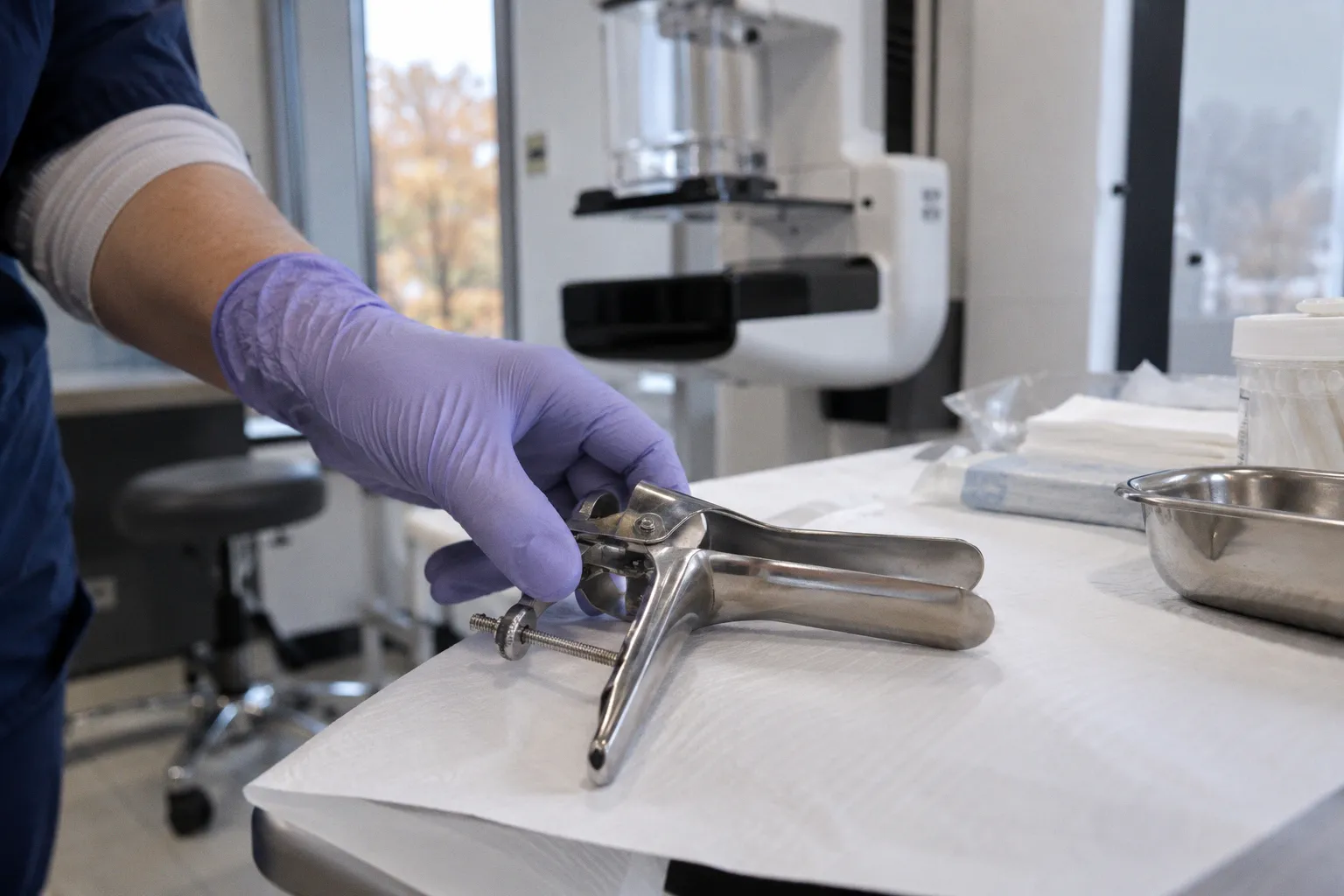
Its output is now public: evidence-based, patient-centred recommendations for cervical cancer screening and a companion quality assurance scheme spanning screening through precancer treatment. For you, this is the framework your national programme is about to align with, so the screening plan sitting in your medical record may be outdated before your next appointment.
What actually changed in the recommendation set
The project built its guidance using the GRADE Evidence-to-Decision framework, reviewed by a multidisciplinary European Working Group of 20 experts including patient representatives. Four parameters were re-examined for the general population: the primary screening test, the ages to start and stop, the screening interval, and HPV testing approach, including HPV DNA, mRNA, and self-collected samples. The project also issued guidance on invitation strategies to lift participation and on triage pathways for HPV-positive results.
This matters because the recommendation set is no longer a single test at a single age. If your last smear was a cytology-only Pap at age 25, you are looking at a protocol written before HPV-primary screening became the European default. If your clinic still offers co-testing only on request, ask why. The updated framework explicitly names self-sampling as an option under specific testing approaches, which means a kit mailed to your home is now on the table in many jurisdictions, not a fringe alternative.
Your action list at the next visit
Do not wait for your national programme to roll out new invitations. Bring this checklist to your gynaecologist or primary care provider and verify each point against your own record:
1. Confirm the primary screening test on file: HPV testing (DNA or mRNA) versus cytology. If cytology alone, request a written rationale.
2. Confirm the start age applied to you. The general-population recommendation addresses ages to start screening, so verify your file reflects current guidance rather than legacy defaults.
3. Ask for your screening interval in years. The recommendation set covers interval length, and the appropriate gap depends on your test type and vaccination status.
4. Request information on self-collected sampling if clinic attendance is a barrier. Eligibility criteria vary, and the new framework explicitly considers this route.
5. If you test HPV-positive, ask which triage pathway your clinic follows. The project issued specific triage recommendations for HPV-positive individuals, and your follow-up protocol should map to those.
6. Confirm your record flags HPV vaccination status. Vaccinated populations have a substantially lower underlying risk of cervical cancer and precancer, and the recommendation set treats this group separately.
What to watch next
The recommendations are now sitting with national screening programmes for implementation, aligned with the 2022 Council Recommendation on cancer screening. Implementation is uneven across member states, so your country's rollout timeline is the variable that determines when the new protocol reaches your local clinic. If you are HPV-vaccinated, monitor whether your programme distinguishes your screening path from the general population, because the evidence base for vaccinated cohorts is now formally separated in the European framework.
Track HaDEA and IARC publications for the full recommendation document and the QA scheme details. When your national authority publishes its implementation plan, compare it line by line against your personal screening record. If your clinic's protocol has not been updated, that is your cue to request a baseline ultrasound and a full screening history review, not a passive reschedule.