Endometriosis diagnostic laparoscopy: hidden surgical costs
The surgeon’s quote for an endometriosis diagnostic laparoscopy may cover only the surgeon’s fee.
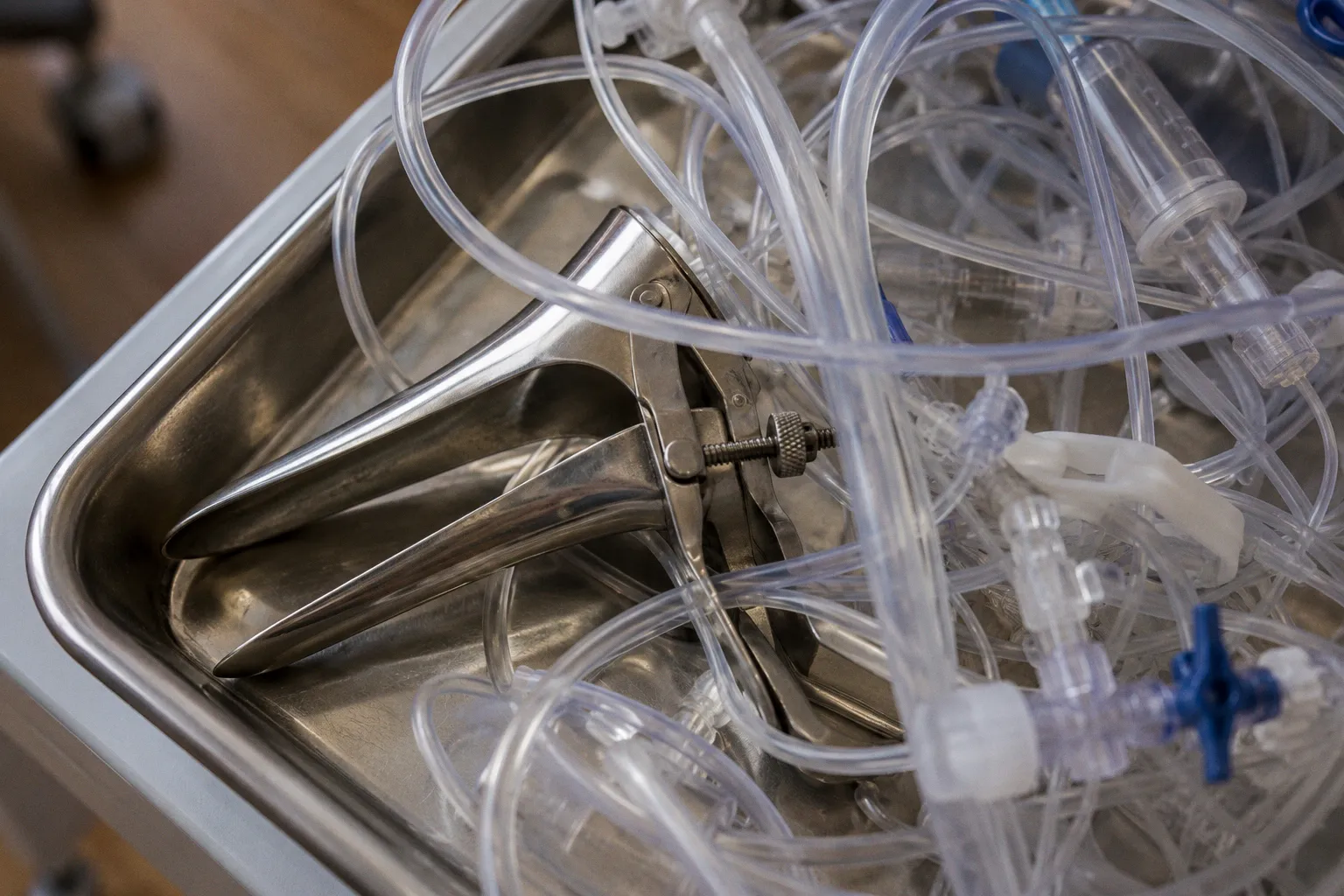
The operating facility, anesthesiologist, and pathology laboratory can bill separately, while pre-operative imaging and consultations may sit outside a quoted surgical package. The number that matters to a patient is the final out-of-pocket amount, and that cannot be inferred from one line on an estimate.
In U.S. claims data, the average insurance-paid cost for diagnostic laparoscopy was $4,289, with a standard deviation of $3,313. That figure is not a patient price: it describes what insurers paid in a particular database study. Patient-reported out-of-pocket expenses vary widely by coverage, facility, and what happens during surgery.
Why one surgical quote rarely shows the full cost
Laparoscopy is billed as a set of services delivered by separate parties. A hospital or ambulatory surgery center charges for the operating room and facility resources. The surgeon bills for professional services. An anesthesiologist bills for anesthesia, and tissue samples may generate a separate pathology charge.
The result is often a cluster of bills rather than one consolidated invoice. A hospital package or private facility estimate may describe hospital charges alone. It may exclude the surgeon’s professional fee, anesthesia, consultations, and pre-operative imaging. The wording of the estimate matters as much as the headline amount.
For a more useful estimate, ask for the expected patient responsibility from each billing entity. Specifically, clarify whether the quoted amount includes:
- The facility or operating-room charge.
- The surgeon’s fee, including any planned lesion removal.
- Anesthesia and the anesthesiologist’s professional fee.
- Pathology analysis of tissue samples.
- Pre-operative imaging and consultations.
- Any deductible, copayment, or coinsurance applied by the insurance plan.
A written estimate can still differ from the final bill. It is a forecast based on the planned procedure and the information available before surgery. It does not necessarily account for a change in scope once the surgeon can inspect the pelvis.
Insurance coverage and out-of-pocket variation
Insurance status has a substantial effect on laparoscopic surgery out-of-pocket expenses. In a 2020 survey of patients who underwent endometriosis laparoscopy, the reported average out-of-pocket cost was $4,923. Forty percent reported paying between $500 and $4,000; 35% paid less than $500.
Those figures describe respondents, not a guaranteed range for an individual patient. The same survey data show how widely the burden can differ by coverage type: 69% of Medicaid recipients reported out-of-pocket costs below $500, while 23% of uninsured respondents reported paying $8,000 or more.
Insurance coverage gaps can arise even when the procedure itself is covered. The facility may be in network while an individual clinician is not, or the plan may apply a deductible and coinsurance to separate components of the episode. Coverage for diagnostic exploration may also be handled differently from a procedure that includes treatment, depending on the plan and how services are coded.
Before scheduling, ask the insurer and each provider to identify the billing entities and confirm network status. Ask whether the estimate assumes that the operation remains diagnostic, and how the estimate changes if lesions are excised. If the insurer cannot give a precise figure before the procedure, request the assumptions behind its estimate and the services it excludes.
A covered procedure can still produce several separate patient bills. Coverage status alone does not establish the final out-of-pocket cost.
When diagnosis becomes treatment during the same operation
Diagnostic laparoscopy allows the surgeon to inspect the pelvis and assess suspected endometriosis. If lesions are found, the operative plan may include removing them during the same procedure. That transition can change the services performed, the professional fees, and the facility charges.
The financial uncertainty is greater when findings suggest extensive disease or require complex surgical work. The final cost cannot be predicted from the phrase diagnostic laparoscopy alone. The available cost data do not establish a single total for a procedure that expands into complex excision, particularly when care involves additional specialists such as bowel or bladder surgeons.
The key question is how the surgical team handles consent and billing if the scope changes. Ask which findings could lead to excision, whether that work is included in the planned procedure, and what circumstances would require a different surgeon or a later operation. Ask the facility whether its estimate applies to diagnostic laparoscopy only or also to the anticipated treatment.
These questions do not produce a guaranteed final price. They define the boundary between the planned service and a possible change in scope. That distinction is important in endometriosis excision surgery billing, where the operative findings may require a different level of work than an initial diagnostic plan anticipated.
Planning around the estimate
Financial planning is more useful when it focuses on the parts of the episode that can be identified before surgery. Request separate estimates from the surgeon, facility, anesthesiology group, and pathology service where available. Then compare those estimates with the insurer’s explanation of benefits and the plan’s deductible, coinsurance, and network rules.
A practical sequence is:
1. Confirm the planned procedure. Ask whether the schedule lists diagnostic laparoscopy alone or includes possible excision of visible disease.
2. Identify every billing party. The hospital or surgery center, surgeon, anesthesiologist, and pathology laboratory may bill independently.
3. Check network status for each party. Do not assume that the facility’s network status applies to every clinician involved.
4. Ask what the estimate excludes. Common exclusions include imaging, consultations, professional fees, and services added if the procedure changes.
5. Ask how a change in scope is handled. Clarify which additional procedures may be performed during the operation and how they may affect patient responsibility.
6. Keep the estimates and insurer responses. They provide a record of what was represented before surgery, even though they cannot guarantee the final amount.
If a quote is presented as a complete package, ask for the itemized scope in writing. A low facility price can be misleading if separate professional charges are substantial. Conversely, a high estimate may reflect charges that the insurer will adjust or cover, depending on the plan. The patient’s responsibility is the amount remaining after benefit rules and insurer payments are applied, not simply the billed charge.
What the averages can and cannot tell you
The $4,289 average insurance-paid cost comes from a U.S. medical-claims study published in 2011. Its standard deviation was $3,313, indicating broad variation around the average in that dataset. It is not a current quote, a national patient copayment, or a prediction for a particular facility.
The $4,923 average out-of-pocket amount comes from patient survey data for endometriosis laparoscopy, measuring expenses reported by respondents. Survey results capture what participants said they paid; they do not substitute for a plan-specific estimate. Differences in insurance, location, facility, and procedure scope limit how directly one patient can apply the average to another.
These two figures measure different things. One is an average amount paid by insurance in claims data. The other is an average amount patients reported paying out of pocket. Treating them as interchangeable creates a false sense of certainty.
For endometriosis treatment financial planning, use averages to understand that costs can vary, not to set a personal budget. A patient’s estimate depends on the contract terms of the insurance plan, network status, facility pricing, deductible, and the services actually performed.
The evidence-based bottom line
The hidden costs of an endometriosis diagnostic laparoscopy usually arise from unbundled billing and uncertainty about operative scope. A surgeon’s quote may be only one component. Facility, anesthesia, pathology, imaging, and separate consultations can add charges, while excision during the same operation may alter the planned service.
No single published average can establish what a specific patient will owe. Before scheduling, obtain estimates from each billing party, verify network status, and ask how the estimate changes if diagnostic exploration becomes treatment. The defensible financial expectation is the one built from your actual plan and the services your surgical team expects to provide.