Global Strategy Launched to Combat Pregnancy Hypertension and Prevent Maternal Mortality
Hypertensive disorders complicate roughly 10–15% of pregnancies worldwide, and they still account for about 16% of maternal deaths globally — a number we tend to read as abstract until we realize it…
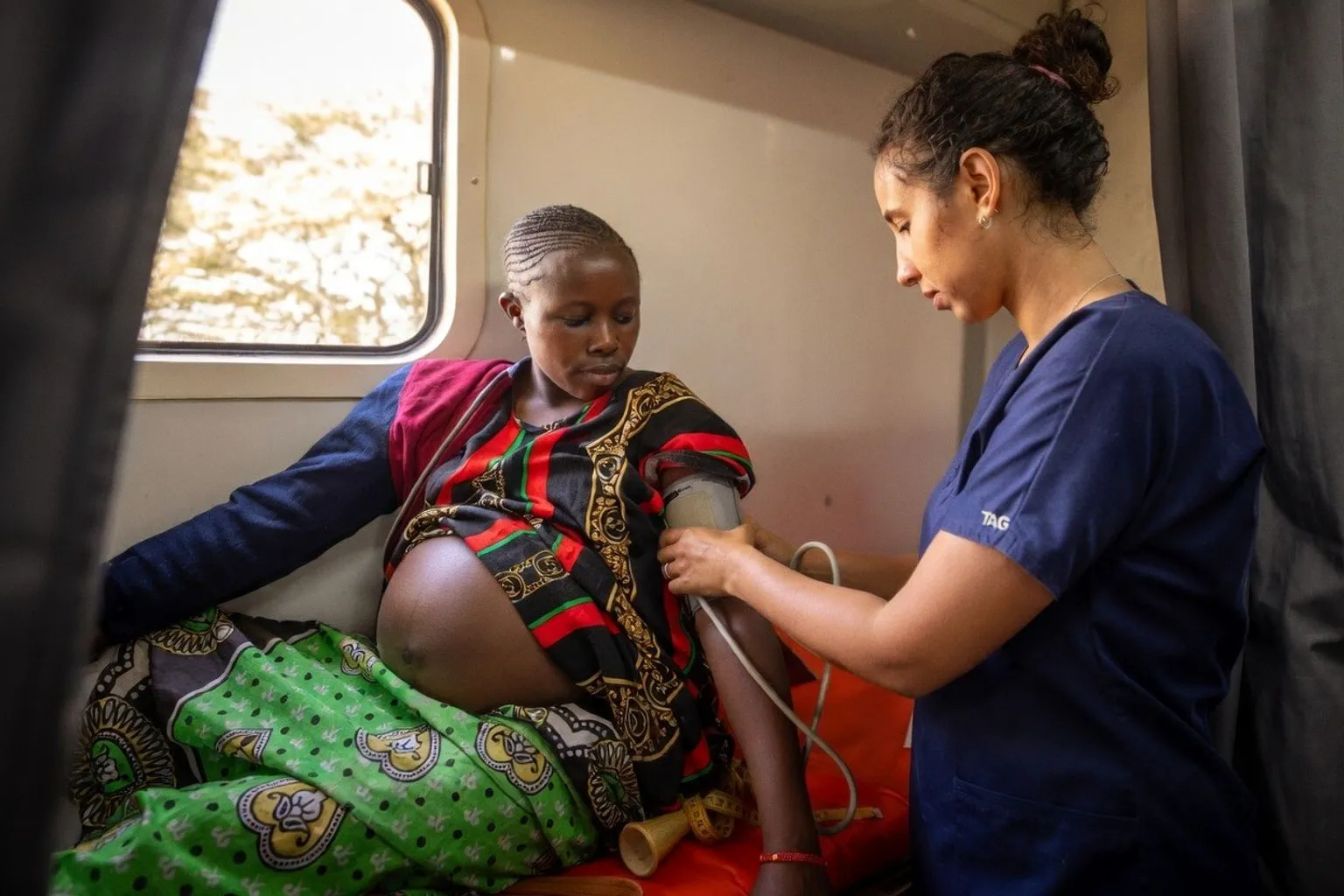
Hypertensive disorders complicate roughly 10–15% of pregnancies worldwide, and they still account for about 16% of maternal deaths globally — a number we tend to read as abstract until we realize it represents an estimated 42,000 women each year, alongside more than half a million stillbirths and newborn deaths. That is the scale behind the new Global Roadmap for Hypertensive Disorders of Pregnancy from 2026 to 2035 and beyond, which the World Health Organization and its partners launched this month at the Society for Maternal-Fetal Medicine Global Conference. We pay attention to frameworks like this because the gap between what we already know how to prevent and what actually reaches patients in the clinic remains stubbornly wide.
What the roadmap actually asks of the system
The document pulls together six workstreams under one umbrella: research and innovation, global clinical guidance, access to medicines and diagnostics, implementation, advocacy, and accountability. In plain terms, that means aligning funders, regulators, ministries and hospital protocols so that a basic blood-pressure cuff, urine protein testing, aspirin, antihypertensives and magnesium sulfate are reliably available where a pregnancy is being cared for. As WHO's Dr. Pascale Allotey put it, pre-eclampsia can develop in any pregnancy, and whether it becomes fatal depends on whether blood pressure was checked in time and whether quality emergency care was within reach when things turned severe. That framing matters because it shifts the conversation away from "high-risk patients" and toward "under-prepared systems."
We see this distinction every week: a woman with borderline pressures at her first visit can be doing everything right, but if her next clinic has no calibrated sphygmomanometer, no protein dipstick, and no clear referral pathway, her risk profile changes in a single appointment. Strengthening referral chains, training more workers, and keeping emergency obstetric services functional is where most of the roadmap's implementation weight sits, especially in low- and middle-income countries where antenatal care coverage and medicine stockouts remain the bigger barrier.
The quiet piece: why almost no new drugs exist
A point the roadmap underlines, and one we rarely talk about with patients, is the innovation gap. Research investment has leaned heavily toward diagnostics, while chronic underinvestment has left us with very few medicines specifically developed and approved by regulators for the prevention or treatment of pre-eclampsia or eclampsia. Most of what we prescribe — low-dose aspirin, labetalol, methyldopa, magnesium sulfate for seizure prophylaxis — is borrowed from general medicine and adapted, not designed for pregnancy. To shift that, WHO convened more than 140 partners at a global summit in May 2026 to identify 20 priority research questions meant to steer future funding toward prediction, detection and therapy rather than just better monitors.
Why it follows you home after delivery
We also want to flag the part of this story that does not end at the postpartum visit. Women who experience hypertensive disorders in pregnancy carry a meaningfully higher lifetime risk of chronic hypertension, cardiovascular disease, stroke and kidney disease, and their children face higher rates of complications linked to preterm birth, including longer-term cardiovascular and metabolic risk. A roadmap that talks only about the nine months of gestation misses that arc; this one explicitly folds the postpartum and life-course follow-up into its advocacy and accountability streams, which is a meaningful shift in how maternal health is being defined.
What this means for the clinic down the street is still unfolding, but the practical signal is clear: standardized blood-pressure and protein monitoring, reliable stocks of first-line antihypertensives and magnesium sulfate, and a documented referral pathway are no longer "nice to have" — they are the baseline a global framework is now holding every system to.
Question worth bringing to your next visit: ask your provider exactly how your clinic handles an unexpected blood-pressure reading at a routine visit — who repeats it, who triggers the referral, and where you would be seen within the hour if your numbers suddenly crossed the severe range. The answer tells you a lot about whether the system around you is ready before the next cuff is ever wrapped around it.