Pre-Pregnancy HPV Vaccination May Reduce Risks of Preterm Birth and Complications
A new nationwide Swedish study published in The BMJ offers a reassuring angle to a question we hear often in clinic: if I get the HPV vaccine now, before pregnancy, will it do anything for me beyond cancer prevention?
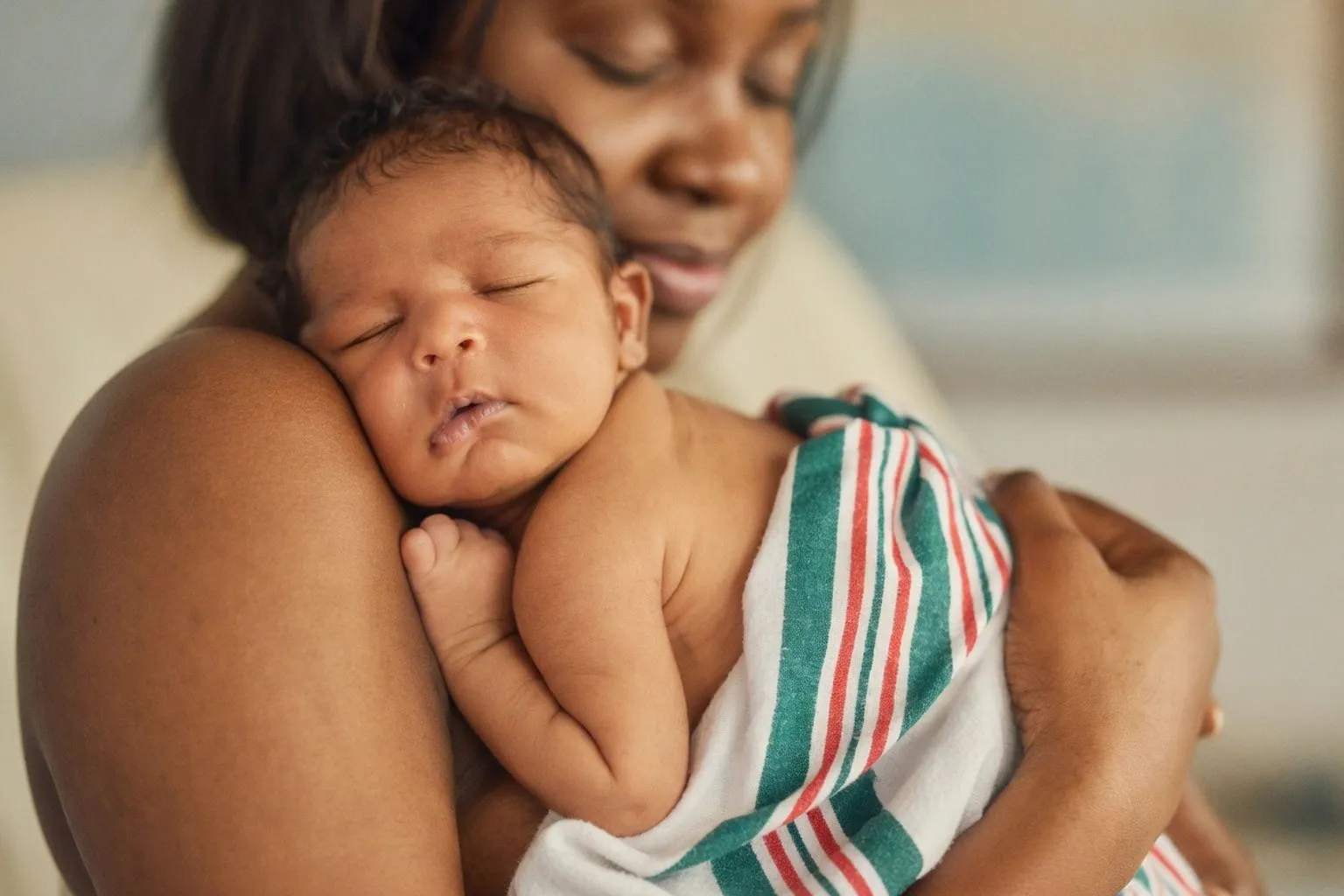
The analysis, drawing on Swedish health records of 624,713 first-time singleton births, links pre-pregnancy HPV vaccination to lower odds of several serious pregnancy complications, including preterm birth and delivering a severely small baby. The takeaway matters for anyone actively planning a pregnancy, especially those whose HPV vaccination records are incomplete.
What the research found
The research team, led by Zhongsong Zhang and colleagues, worked with nationwide Swedish health records covering 624,713 first-time, singleton births between 2006 and 2023, looking at women aged 16 to 35. About 15% of them, roughly 92,620 women, had received the quadrivalent HPV vaccine before pregnancy. After accounting for smoking, body mass index, pre-existing maternal health conditions, assisted reproduction, country of birth, income and education, vaccinated women showed lower odds of several adverse pregnancy outcomes than their unvaccinated peers. The associations reached statistical significance for preterm birth before 37 weeks, very preterm birth, spontaneous preterm birth, preterm prelabour rupture of membranes, and delivery of a severely small baby. The researchers also examined stillbirth and newborn death, though those specific comparisons did not reach statistical significance in this dataset.
The biological fit is something many of us in obstetrics have been watching unfold over the past decade. HPV is one of the most common sexually transmitted infections and is responsible for most cervical cancers, and earlier studies had already linked HPV infection itself, as well as surgical treatment of HPV-related cervical lesions, to higher rates of pregnancy complications, particularly preterm birth. The reduction in risk in this study was more pronounced among women vaccinated before age 17, which tracks with what we know about stronger and broader immune responses when vaccination happens well before any HPV exposure. This was a nationwide, population-based case-control study, the kind of dataset that lets researchers adjust for many real-world factors a typical small trial simply cannot capture.
What the data cannot yet tell us
This was an observational study, tracking patterns in real-world records and unable to prove that the vaccine itself directly prevents pregnancy complications. The authors also pointed to incomplete information on spontaneous abortions and limited data on the specific biological pathways involved. Their conclusion, based on what is reported in the paper, is that these findings support continuing HPV vaccination programmes, while calling for more research to confirm the associations in other populations and clarify how vaccination might shape pregnancy outcomes.
What to bring to your next appointment
If you are planning a pregnancy or simply weighing whether to catch up on the HPV vaccine, this study gives you a reasonable clinical starting point. Ask your clinician whether your immunization records show completion of the HPV series, and if not, whether catching up before conception makes sense given your personal timeline, because the schedule and timing relative to pregnancy varies by age, prior exposure, and local guidelines. It is also worth asking whether your cervical screening history shows any HPV-related changes that already need follow-up on their own.