New 30,000-Person Horizon Study Tracks Long-Term Health Through the Menopause Transition
As reported by Women's College Hospital in Toronto, a new longitudinal study aims to follow 30,000 participants aged 35 to 55 through the menopausal transition and the decades that follow.
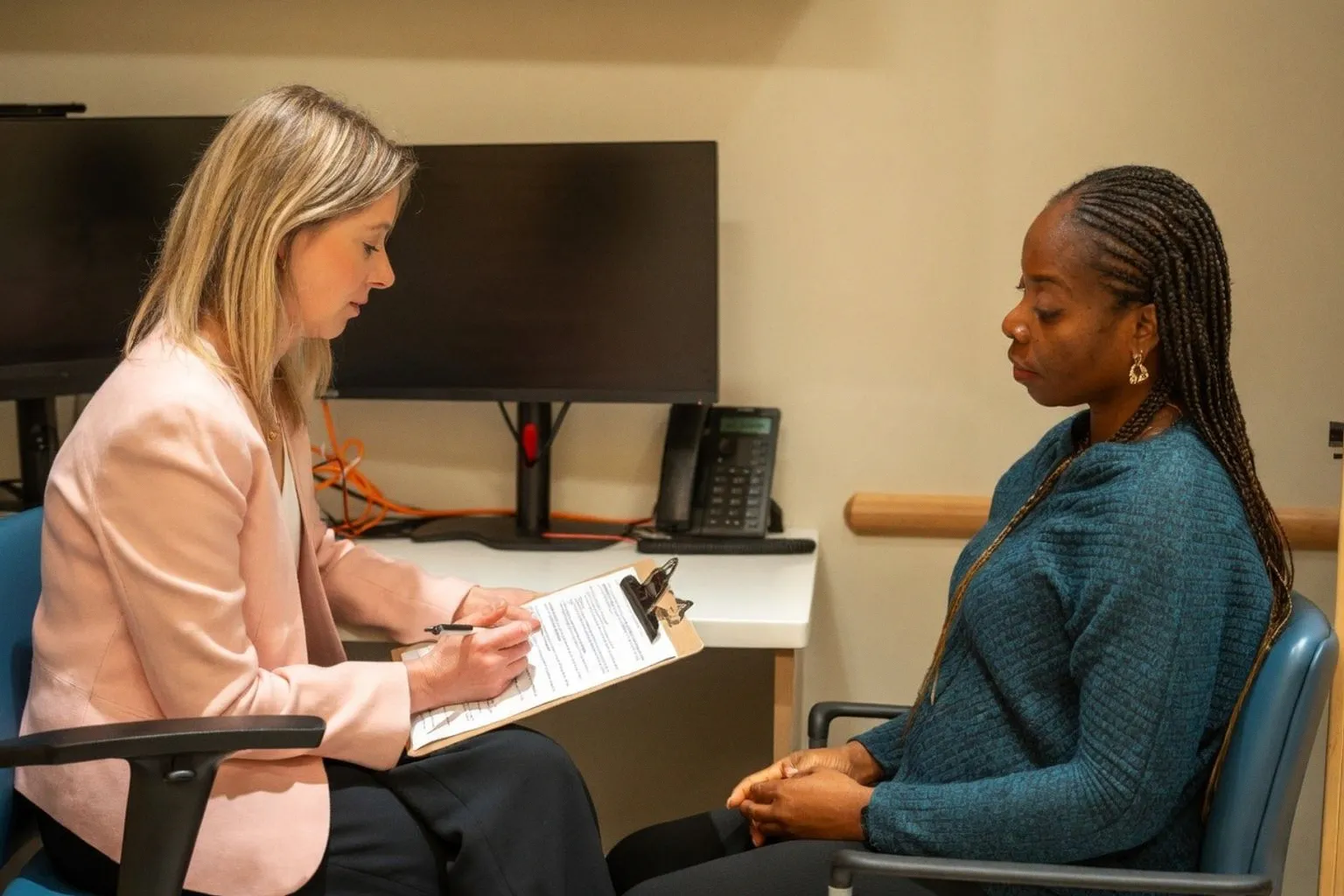
Launched alongside the Menopause Empowerment Project, the Horizon Study is designed to capture how cardiovascular, metabolic, cognitive, and mental health shift across midlife, rather than at a single snapshot in time. For anyone sitting in our office wondering whether night sweats, brain fog, or creeping blood pressure are "just menopause," this matters because it pushes the field toward the long-term, individualized evidence we have long been missing.
Why a 30,000-person cohort changes the conversation
We have watched menopause research lag behind other areas of medicine for decades, partly because the transition unfolds over years, and partly because the women living it have historically been underrepresented in study cohorts. The Horizon Study recruits at least 30,000 women and gender-diverse people across the Greater Toronto Area, then follows them forward, layering cardiometabolic, mental, cognitive, and physical health data as they age through and past menopause. Rulan Parekh, Vice President of Academics at WCH, framed it as a chance to "follow thousands of diverse participants over time to understand how different dimensions of health intersect," addressing gaps that shaped what your mother, or older sister, were told about their own transitions.
The practical anchor here is timing. The menopausal transition can begin in the 40s or earlier, with menopause occurring at an average age of 51, while Canadian women now live, on average, into their mid-80s. That is roughly three decades of post-reproductive life where the right baseline data should be steering prevention, not guesswork, and where we, as clinicians, finally have a research scaffold designed for the population in front of us.
A clinical pathway you can use today
The study is paired with a nurse practitioner-led menopause clinic opened in 2026, plus the Menopause Empowerment Project, a set of free, self-directed online modules covering symptoms, treatment options, and how to prepare for a clinical conversation. Cindy Maxwell, Vice President of Medical Affairs and System Transformation at WCH, put it simply: "People need trustworthy information, access to the right care at the right time and a health system that keeps learning how to better meet their needs." That is the piece our patients actually feel, since midlife symptoms rarely arrive one at a time, and the same person is often juggling sleep, mood, libido, and blood pressure changes in a single office visit.
A complementary signal from Sunnybrook
On the same day, a Sunnybrook Research Institute team published work in Nature Medicine showing that menopause-related biological changes involving the brain are detectable in blood. Post-menopausal participants showed higher levels of molecules linked to inflammation, synaptic function, and Alzheimer's-related processes, and the patterns held up against UK Biobank data and across four older cohorts totalling nearly 12,000 women. Lead author Madeline Wood Alexander called it the first time such sensitive blood testing has been used to detect biological signals tied to the menopause transition, while senior author Kaitlin Casaletto noted the findings "shed light on the biological processes that may help explain why women differ in their brain and cognitive aging following menopause." Co-author Jennifer Rabin was careful to add that, while all women reaching midlife experience menopause, most will not develop dementia, a distinction that matters when we counsel patients who arrive alarmed by a headline.
Together, these two pieces of news sketch a roadmap we can hand you today: better self-directed education, easier entry into specialized care, and an emerging biomarker conversation that may, within a few years, change how we stratify your personal brain-aging risk.
Your next question to bring to your clinician: ask whether your practice tracks vasomotor symptoms, sleep, mood, blood pressure, lipids, and cognition as one connected midlife picture, and whether they have a direct referral pathway to a menopause-informed specialist when those signals start to cluster.