New Research Reveals Menopause as a Rapid Whole-Body Biological Shift
According to a Newswise report on a study published in Nature Medicine, menopause may involve a rapid, body-wide biological shift, not only the end of menstruation.
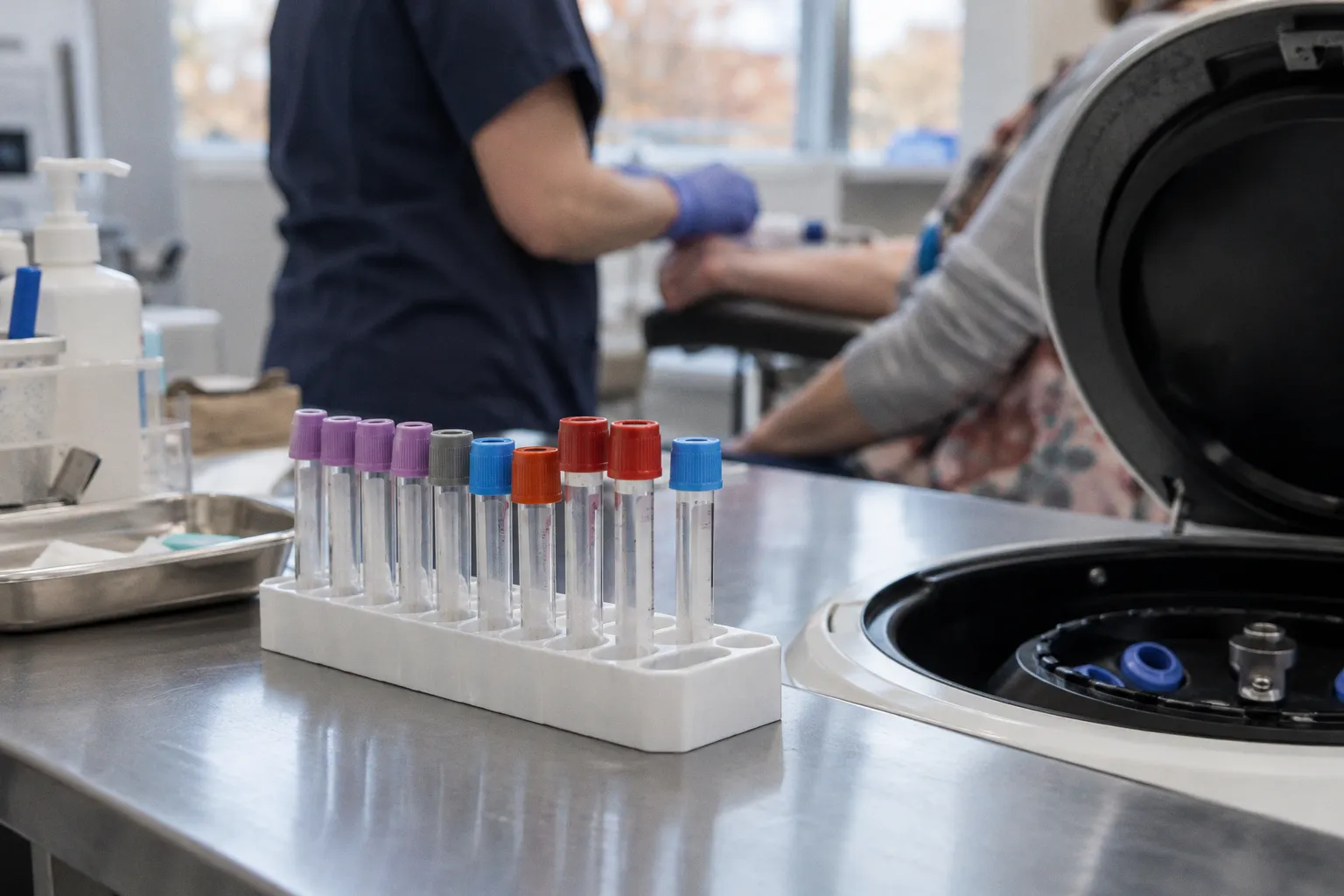
The researchers analyzed more than 300 million laboratory tests from over one million women, using data spanning about two decades. For those navigating midlife health, the finding reinforces why conversations about menopause can extend beyond hot flashes and cycle changes.
What the study suggests
The Newswise report says the analysis found changes associated with declining sex hormones across blood chemistry, lipid levels, liver and kidney function, and bone health. The work drew on two large medical datasets and included information about women who had been prescribed menopause hormone therapy or reported using it themselves.
That is a broad signal, but it does not tell us what will happen to any one person. The report does not provide enough detail to assess the study’s methods or limitations, and the findings should not be treated as a personal risk assessment or a reason to change treatment.
Put the finding in context
Experts quoted by Newswise describe menopause as a potential metabolic turning point and argue that care should consider whole-body health, not symptoms alone. One clinician noted that the transition leading up to menopause, perimenopause, typically spans four to eight years. That makes the timeline important: changes may unfold across a longer transition, even if some biological shifts appear abrupt in the study’s analysis.
For patients, the practical takeaway is to make your own baseline part of the discussion. Ask your clinician which checks are appropriate for your health history and when they should be considered. The report supports attention to areas such as cholesterol and bone health, but it does not establish a universal screening schedule or show that every person needs the same tests.
What to ask at your next visit
Bring up any new symptoms or concerns, and ask how your personal history shapes the plan for menopause care. If you are considering hormone therapy, ask how its potential benefits and risks apply to you; the report does not establish that hormone therapy prevents the changes described.
A useful next question for your doctor is: which aspects of my health should we monitor through this transition, and what would change the plan?