WHO Scales Up Maternal and Newborn Mortality Surveillance in Afghanistan
The World Health Organization is reported to be expanding its maternal and newborn mortality surveillance programme in Afghanistan, with health teams reviewing deaths to identify gaps in care and prevent avoidable fatalities.
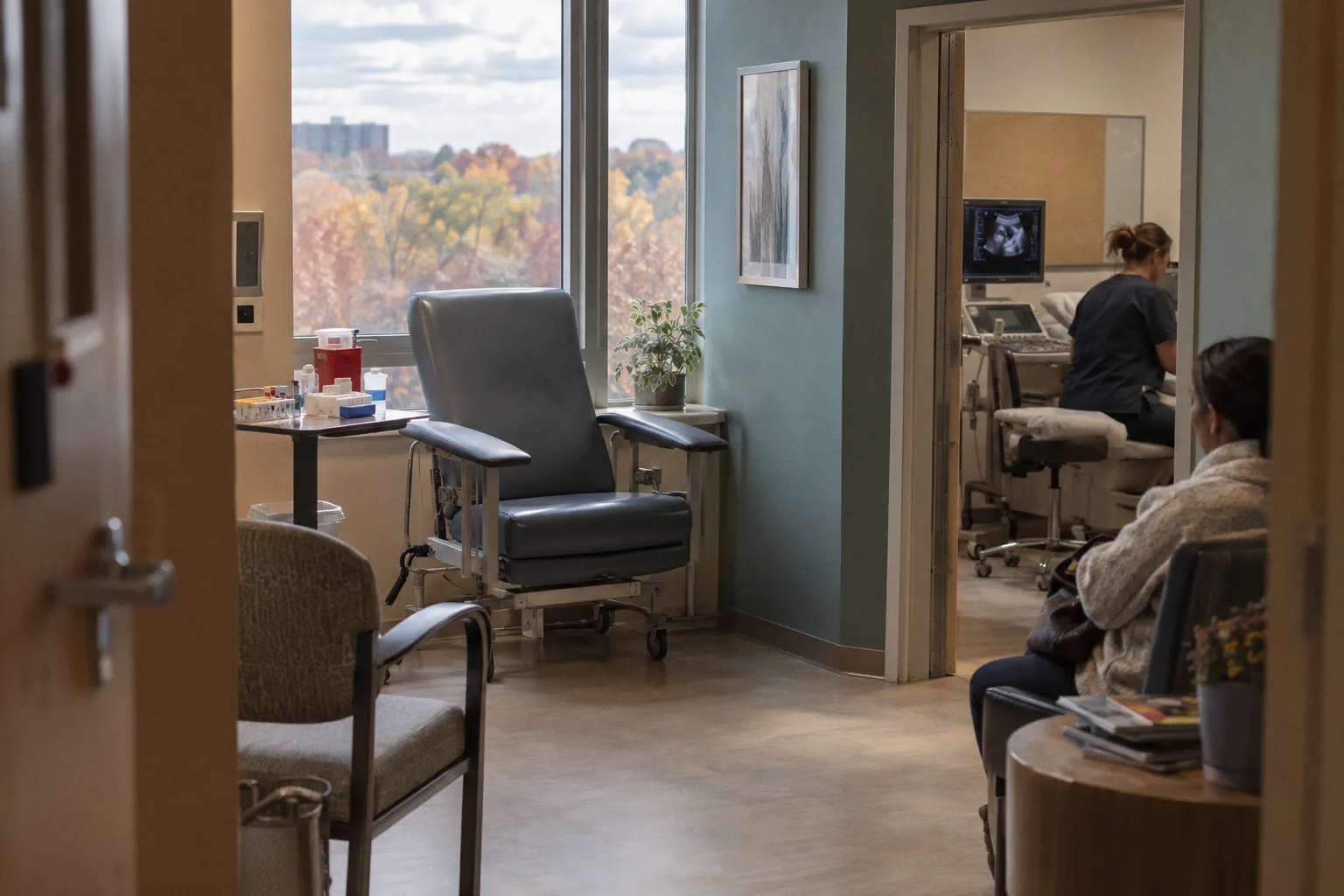
For patients, the programme’s focus is a reminder that safer pregnancy and birth depend not only on individual risk factors, but also on whether care teams can recognize and respond to complications.
What the programme is designed to do
According to a report by Atlas Press, the WHO programme reviews the factors behind maternal and newborn deaths, with the stated aim of improving care and reducing deaths that can be prevented. The report says the programme has operated since 2025 in 22 hospitals across 10 provinces and has expanded to 28 additional health centres in seven provinces. It also says the programme receives financial support from the Asian Development Bank.
The report identifies severe bleeding, eclampsia or seizures related to pregnancy complications, and infection among the main causes of maternal deaths. For newborns, it names preterm birth, birth asphyxia and infection. These are serious complications that require timely recognition and appropriate care; the report does not provide outcomes showing whether the expansion has reduced deaths.
What this means when you plan care
A programme that reviews deaths can help health services identify where care may need to improve. But a national initiative does not tell you what services are available at a particular facility, or how a team will respond if complications arise. If you are choosing where to give birth, it is reasonable to ask what emergency care is available, how complications are escalated, and whether the facility can support care for a newborn who needs additional help.
We often see that knowing your baseline and discussing concerns early can make appointments more useful. Ask your clinician which symptoms during pregnancy or after birth need urgent assessment, and whom to contact if they occur. The report does not specify individual warning signs or provide patient guidance, so your own care team is the right place to get advice for your circumstances.
The next question to ask
The WHO report describes an expansion of the programme, but does not say how its impact will be measured or when results will be available. A useful question for your clinician is: what emergency services can this facility provide, and where would you be referred if you or your baby needed care beyond them?