Evaluating the Saving Lives at Birth Research Grants Programme
According to fundsforNGOs, an open call has been announced for the Saving Lives at Birth Research Grants Programme.
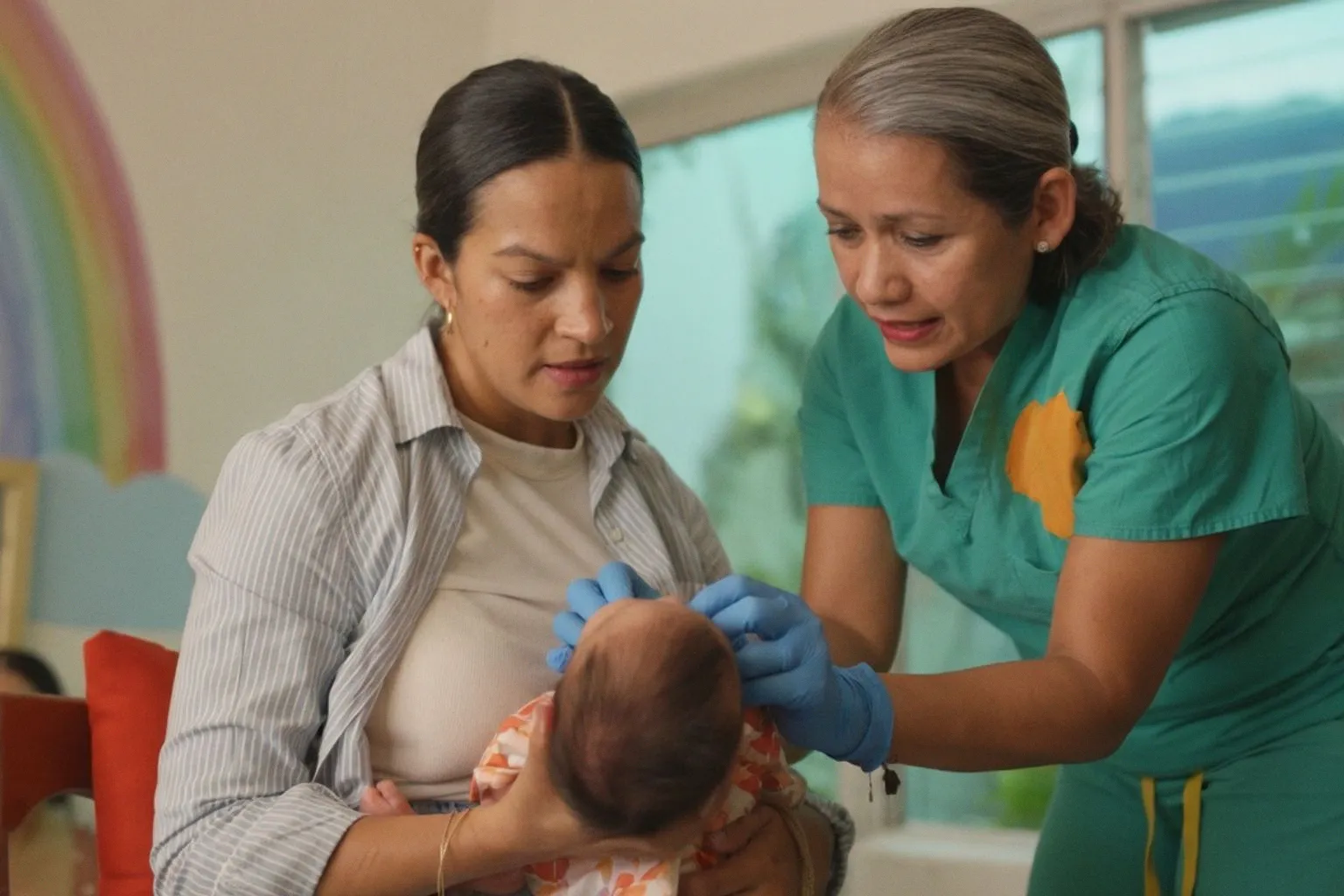
The available information confirms the call’s title, but does not provide eligibility rules, deadlines, award amounts or application requirements. For patients and families, the practical significance will depend on which projects are funded and whether they lead to changes in pregnancy, birth or postpartum care.
What the announcement confirms
The source identifies a research grants programme focused on saving lives at birth. It does not give enough detail to tell applicants who can apply, what kinds of research qualify, or when submissions are due. Those details should be checked in the programme’s official call before anyone plans an application around it.
The distinction matters: an announcement of a grant opportunity is not evidence that a particular treatment, service or local maternity programme will receive funding. Nor does the available information establish how results would be translated into care.
Why research funding matters to care
For people navigating pregnancy, the value of maternal-health research is ultimately practical: whether it helps clinicians identify risks, improve care around birth, or strengthen support after delivery. But a grant call alone cannot tell us which of those needs the programme prioritizes. We should avoid assuming that this opportunity will address a specific condition, population or gap in services until the criteria are published.
A separate WVIR report describes a proposed bipartisan federal bill that would support maternal-health programmes, research and rural care. That is a distinct policy development, not a confirmed part of the Saving Lives at Birth grant call. Keeping those announcements separate helps patients and clinicians assess what is actually available, and what remains proposed or unspecified.
What to check next
If you are considering applying, look for the official programme page and verify the eligible applicants, research priorities, funding terms, deadline and required documents. If you are a patient, ask your care team whether any locally available service is connected to a funded project; the current announcement does not identify participating clinics or changes to routine care.
A useful next question for your clinician is: Is there a research programme or newly funded service relevant to my care, and what would participation involve?