Securing Maternal Health in Africa Through Local Funding and Female Leadership
A recent high-level meeting in New York is reframing how we think about maternal survival in Africa, and the lessons travel further than the headlines suggest.
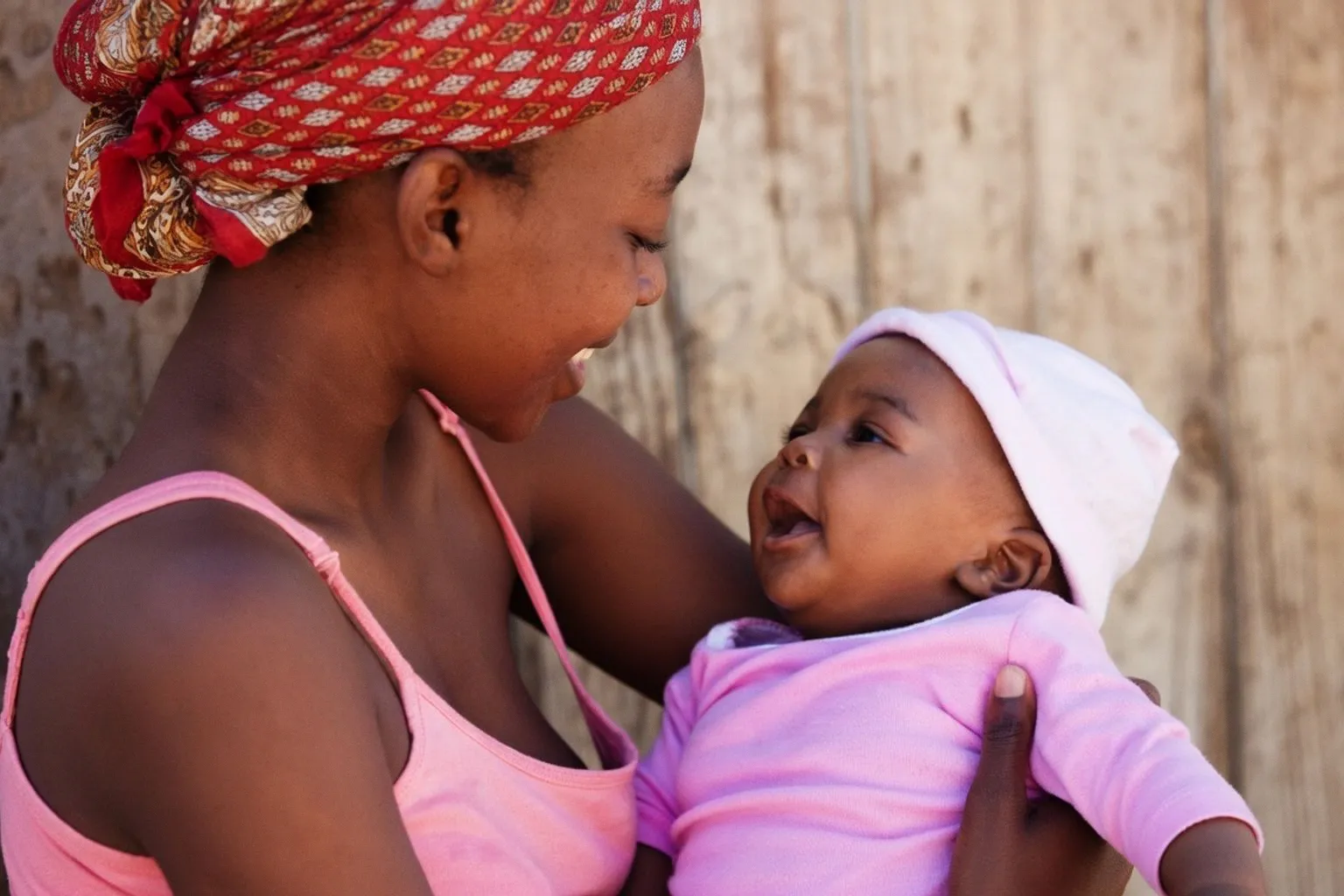
The SHE RISES gathering put a spotlight on a stubborn truth we have seen play out in maternity wards across very different contexts: across much of the continent, maternal and child health still sits on the margins of national budgets, propped up by donor funding that can vanish with a single policy shift. As reported in a recent opinion piece from streamlinefeed.co.ke, Namibian President Netumbo Nandi-Ndaitwah's call for stronger domestic financing captures the shift now underway, moving away from aid as a crutch and toward national ownership of women's health.
What the numbers are telling us
When policy actually meets the clinic floor, the trajectory can change fast. Tanzania's reported drop in maternal deaths from 556 to 104 per 100,000 live births between 2015 and 2022, paired with a decline in under-five mortality from 67 to 43 per 1,000 live births over the same window, is the kind of data point that resets what we consider possible in a single decade. These gains came alongside targeted interventions, including the M-Mama emergency referral system, which by August 2026 had facilitated more than 150,000 emergency referrals for pregnant women and newborns, bridging the rural-to-facility gap where minutes so often decide outcomes.
Where leadership meets the workforce
Here is the thread that should catch every clinician's attention: women make up roughly 70 percent of Africa's health workforce, running everything from community outreach to senior nursing and midwifery, yet they remain underrepresented in the rooms where budgets are signed. The opinion piece frames female leadership not as a diversity metric but as a structural requirement for systems that actually meet women's needs. It is a reminder that staffing rosters and leadership pipelines are not separate conversations; they are the same conversation about who decides what care looks like.
Why this lands in our lane
For anyone working in obstetrics far from East or Southern Africa, the takeaway is not "this is happening somewhere else." The mechanics are familiar to all of us: out-of-pocket costs that push families away from care, the primary-care bottleneck where policy meets reality, the distance between a clinic announcement and a working blood pressure cuff. What the SHE RISES framing adds is the insistence that domestic accountability, not aid dependency, is what turns a health system from fragile to functional.
The next question worth bringing into your own practice, or asking your local maternity unit: where does our funding actually come from, and what happens to women in our community if that funding disappears next year?