WHO Prepares to Revise Global Standards for Diagnosing Hyperglycaemia in Pregnancy
As WHO explains, it covers diabetes that existed before conception, diabetes first discovered during pregnancy, and gestational diabetes mellitus (GDM) itself.
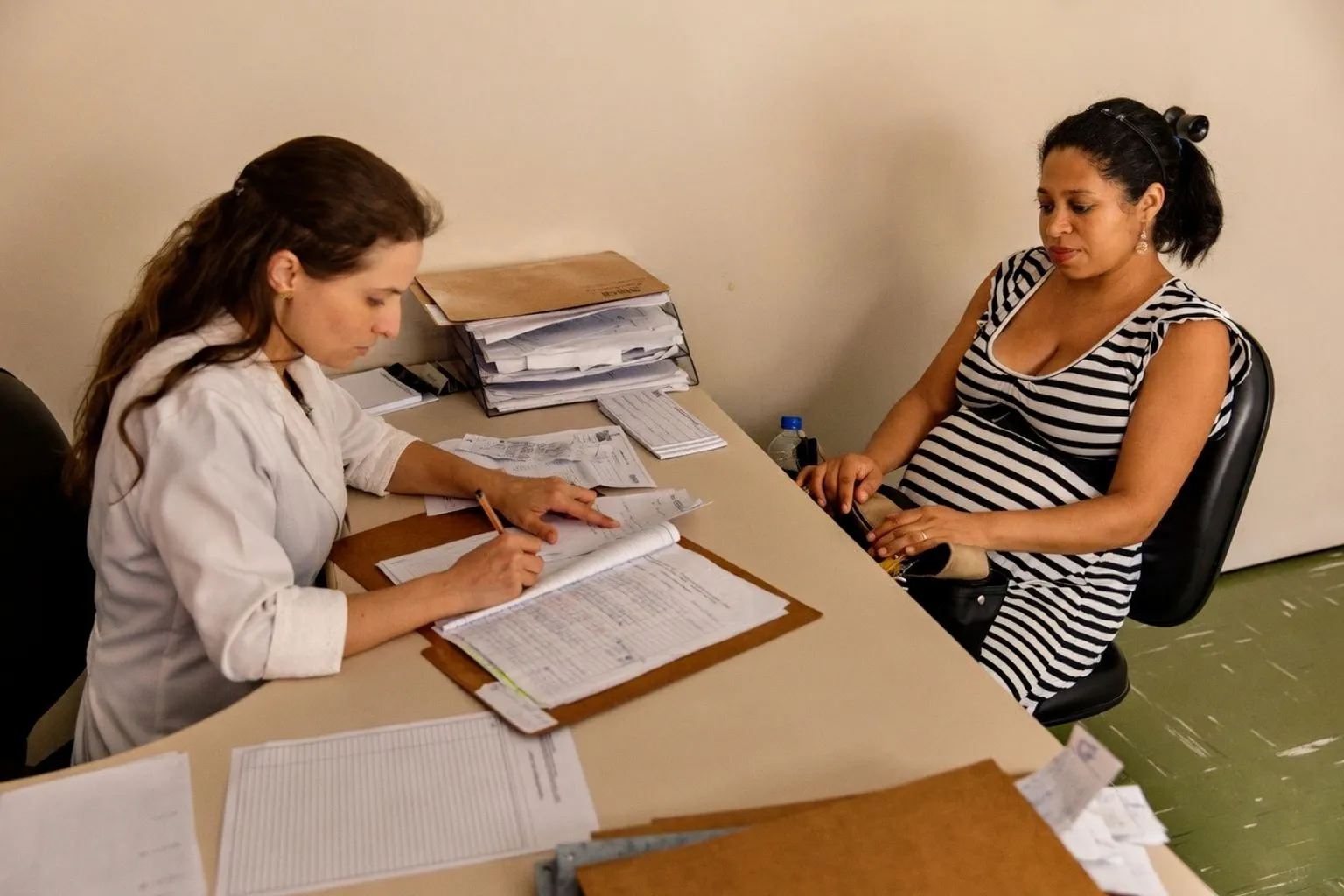
If you've ever sat in an antenatal clinic wondering why one glucose test gets repeated and another gets skipped, you're not alone. According to the World Health Organization, the global playbook for diagnosing hyperglycaemia in pregnancy is about to be rewritten, and the ripple effects will reach every glucose drink, every threshold number, and every "we need to recheck this" conversation in your third trimester.
Why the 2013 criteria are coming back to the table
Hyperglycaemia in pregnancy isn't a single condition, and that's exactly the problem. As WHO explains, it covers diabetes that existed before conception, diabetes first discovered during pregnancy, and gestational diabetes mellitus (GDM) itself. Pulling those threads apart is genuinely difficult, especially where undiagnosed pre-existing diabetes is common. Roughly one in six live births, around 21 million a year, sit somewhere on that spectrum, and the downstream risks are the ones we already watch for in clinic: hypertensive disorders, stillbirth, macrosomia, neonatal hypoglycaemia, birth injury, and longer-term complications that follow both mother and baby well beyond delivery.
WHO first published its care recommendations for women with diabetes during pregnancy in November 2025. The next step, expected in 2026, revisits the 2013 diagnostic criteria and classification framework, because new evidence has shifted how we approach screening, diagnosis, and categorization. A Guideline Development Group will meet 20–24 October 2026 to review that evidence base, with member biographies posted publicly so anyone can weigh in on conflicts of interest.
What this could mean at your next visit
We don't yet know which thresholds will move or how labs will adapt, but the direction of travel is clear: earlier identification, cleaner classification, and guidance that holds up across very different resource settings. That's the part that matters for you. If you're in a setting where screening access is patchy, a more nuanced WHO framework may eventually widen who gets diagnosed and when. If you're already well-monitored, expect your clinician to be re-reading the small print of your local protocol as national societies translate the new recommendations into practice.
What to track, and what to ask
The GDG meeting in October 2026 is the hinge point, so the practical news you and your provider are really waiting for is the final published document. Until then, here is the next question worth bringing to your appointment: ask which diagnostic criteria your clinic currently uses for hyperglycaemia in pregnancy, and whether they expect to align with the updated WHO guidance once it lands. That single conversation tells you whether your local pathway is already on the newer evidence or still anchored to 2013, and it gives your clinician a clear opening to walk you through how your own results would be interpreted under either framework.