Pelvic exams and Pap smears: distinguishing clinical goals
A pelvic exam and a Pap smear can happen during the same appointment, but they answer different clinical questions. A pelvic exam evaluates reproductive organs through visual inspection and physical examination.
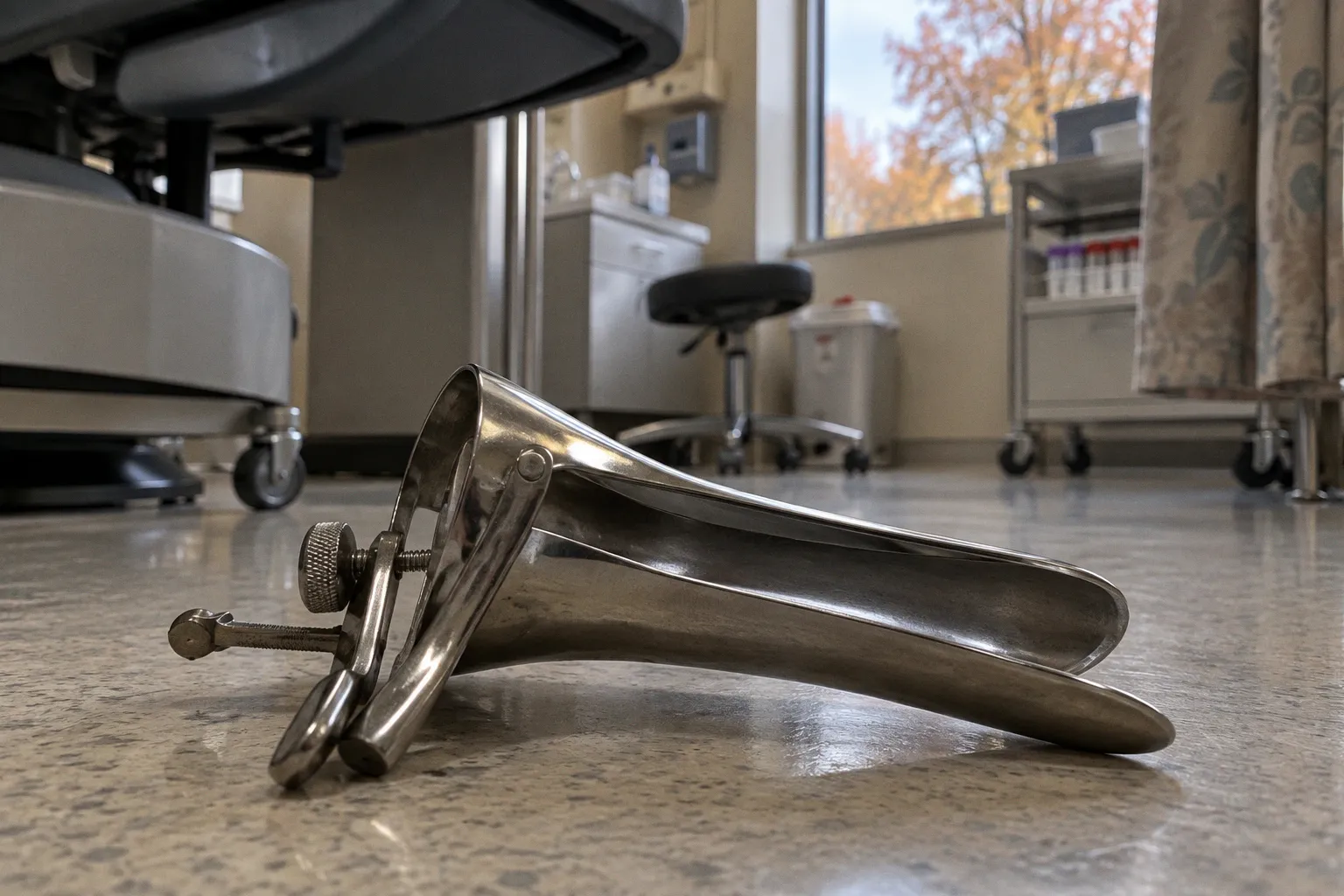
A Pap test collects cells from the cervix to look for precancerous or cancerous changes. One is a broader assessment; the other is a specific cervical cancer screening test.
That distinction matters when you book an annual visit, review what your clinician recommends, or try to understand whether a test is due. A pelvic exam does not automatically include a Pap smear, and an annual wellness appointment does not mean you need cervical cytology every year. Request the purpose of each procedure and confirm your screening interval against your age, history, and risk factors.
What a pelvic exam assesses
A comprehensive pelvic examination can include inspection of the external genitalia, a speculum examination of the vagina and cervix, and bimanual palpation. During the bimanual portion, the clinician uses gloved fingers in the vagina and a hand on the abdomen to assess the uterus and ovaries. The exact components depend on the reason for the visit and what your clinician needs to evaluate.
The exam can help assess general gynecological health and investigate symptoms or findings. For example, a clinician may recommend one when you report pelvic pain, unusual bleeding, or other concerns that call for an examination. A pelvic exam is not, by itself, a laboratory test for cervical precancer. It also does not substitute for a Pap test when cervical screening is due.
The terms can blur in conversation because a speculum exam may be part of both procedures. The speculum allows the clinician to view the cervix; during a Pap test, it also allows collection of cervical cells. But the purpose of the visit and the information gathered are different.
| Procedure or component | What happens | Main clinical purpose |
|---|---|---|
| Visual pelvic examination | The clinician inspects external genitalia, vagina, and cervix | Assess visible features and general gynecological health |
| Speculum examination | A speculum is used to view the vagina and cervix | Provides access to the cervix; may be part of a pelvic exam or Pap collection |
| Bimanual examination | The clinician examines the uterus and ovaries by touch | Physical assessment of pelvic organs |
| Pap test | Cells are collected from the cervix for laboratory analysis | Screen for cervical precancerous or cancerous cellular changes |
A shared step does not make two procedures interchangeable: the speculum exam gives access, while the Pap test produces a cervical cell sample for screening.
What a Pap smear screens for
A Pap test, also called cervical cytology, examines cells collected from the cervix. Its purpose is to identify cellular changes associated with cervical cancer risk. It does not screen the ovaries or uterus, and a normal Pap result does not establish that every aspect of reproductive health is normal.
A Pap test usually requires a speculum examination to reach the cervix. That means a Pap collection commonly involves part of a pelvic examination, but the reverse is not true: a pelvic exam can take place without collecting cells for a Pap test. If you are unsure what is planned, ask whether the appointment includes cervical cytology, a visual examination, bimanual palpation, or some combination.
Cervical screening may also use testing for high-risk human papillomavirus, or hrHPV. Depending on age and the screening approach, a clinician may recommend cytology alone, hrHPV testing alone, or co-testing with both. These options have different intervals, so confirm which test your clinician is ordering and when you should return.
A Pap test is a screening procedure for people without symptoms that require diagnostic evaluation. If you have abnormal bleeding, pelvic pain, or another new concern, tell your clinician even if your last Pap result was normal. Screening and diagnostic assessment address different questions; a recent screening result does not automatically explain a new symptom.
Screening intervals: when to request which test
For average-risk people, current recommendations in the supplied U.S. guidance begin cervical cancer screening at age 21, regardless of sexual activity history. The recommended test and interval then depend on age. These intervals describe cervical cancer screening, not how often you should have a pelvic exam.
| Age | Cervical screening option | Recommended interval |
|---|---|---|
| 21–29 | Pap test alone | Every 3 years |
| 30–65 | Pap test alone | Every 3 years |
| 30–65 | High-risk HPV test alone | Every 5 years |
| 30–65 | High-risk HPV test with Pap test (co-testing) | Every 5 years |
After age 65, screening may be discontinued for women with adequate prior negative results. Do not treat age alone as confirmation that you can stop. Ask your clinician to review your previous results and determine whether you meet the criteria for ending routine screening. If your history is incomplete or includes prior abnormal results, the decision may need a more individualized review.
The intervals above do not apply as a universal schedule to every person. A history of cervical abnormalities, immune-related health factors, or other risk considerations can change the plan. If a clinician recommends screening more often than the routine interval, ask which part of your history supports that schedule. If you have had a hysterectomy, ask specifically whether cervical screening is still indicated; the answer depends on the details of your surgery and medical history.
The practical point is simple: verify the test name, your last result, and the next due date. “I had an exam last year” does not tell you whether a Pap test was collected. Likewise, a Pap result does not confirm that a bimanual exam took place.
Do asymptomatic women need an annual pelvic exam?
The need for routine pelvic examination in an asymptomatic, non-pregnant adult without high-risk factors is not defined by the same clear interval used for cervical cancer screening. The available facts do not establish one universal schedule for annual pelvic exams. That uncertainty is a reason to make the appointment specific to your health needs, not a reason to assume that every person needs the same examination every year.
If you have no symptoms and no known high-risk condition, ask your clinician what a pelvic exam would add in your case. Request the clinical purpose: is the exam intended to assess a symptom, follow up a prior finding, or perform a particular component of your care? The answer should connect the examination to your history or current concern.
If you have pelvic pain, unusual bleeding, or another new symptom, contact your clinician and describe it clearly. The clinician may recommend a pelvic exam as part of evaluating that concern. If the exam is proposed as routine, ask which components are planned and whether each one is indicated for you. You can discuss the reason for an examination before it begins and ask the clinician to explain each step.
This is also where the phrase “annual visit” can mislead. A preventive appointment can include a discussion of health history and recommended screening, while the need for a particular physical examination depends on the situation. A visit can be worthwhile even when you are not due for a Pap test; a due Pap test can also be scheduled as part of a broader visit. The appointment label alone does not tell you which procedures are necessary.
How to navigate the visit
Before the appointment, check your last cervical screening result and the date it was collected, if you have access to them. If you do not know whether you had a Pap test or an HPV test, say so rather than guessing. Ask the office to verify the result and recommended next interval in your record.
During the visit, separate three questions:
1. Am I due for cervical cancer screening? Ask which test is recommended for your age and history: cytology, hrHPV testing, or co-testing.
2. Is a pelvic exam planned? Ask whether it includes external inspection, a speculum examination, bimanual palpation, or only the component needed for a specific purpose.
3. What is the reason for each component? If you have symptoms, explain when they began and what has changed. If you have no symptoms, ask what the exam is expected to assess.
If the clinician recommends an interval that differs from routine screening, request the reason and the follow-up plan. Make sure you understand whether the recommendation reflects a prior abnormal result, a risk factor, or another clinical consideration. If a test is collected, ask how and when you will receive the result and whom to contact if you do not hear back.
For a preventive visit, use this script if you need a direct starting point:
“Please confirm whether I am due for cervical screening, which test you recommend, and when I should repeat it. If you recommend a pelvic exam, please explain which parts you plan to perform and what each part is assessing.”
The goal is to leave with a clear record of what was done, what remains due, and why. A Pap smear screens cervical cells. A pelvic exam assesses pelvic anatomy and may help evaluate symptoms. Treating them as separate clinical decisions makes it easier to avoid unnecessary repetition and to follow through when screening or diagnostic care is actually indicated.