Rising Global Temperatures Linked to Surge in Pregnancy Complications
A new global survey of more than 1,000 maternal health professionals, commissioned by the Wellcome research foundation and released this month, finds that nearly three-quarters have seen a sharp rise…
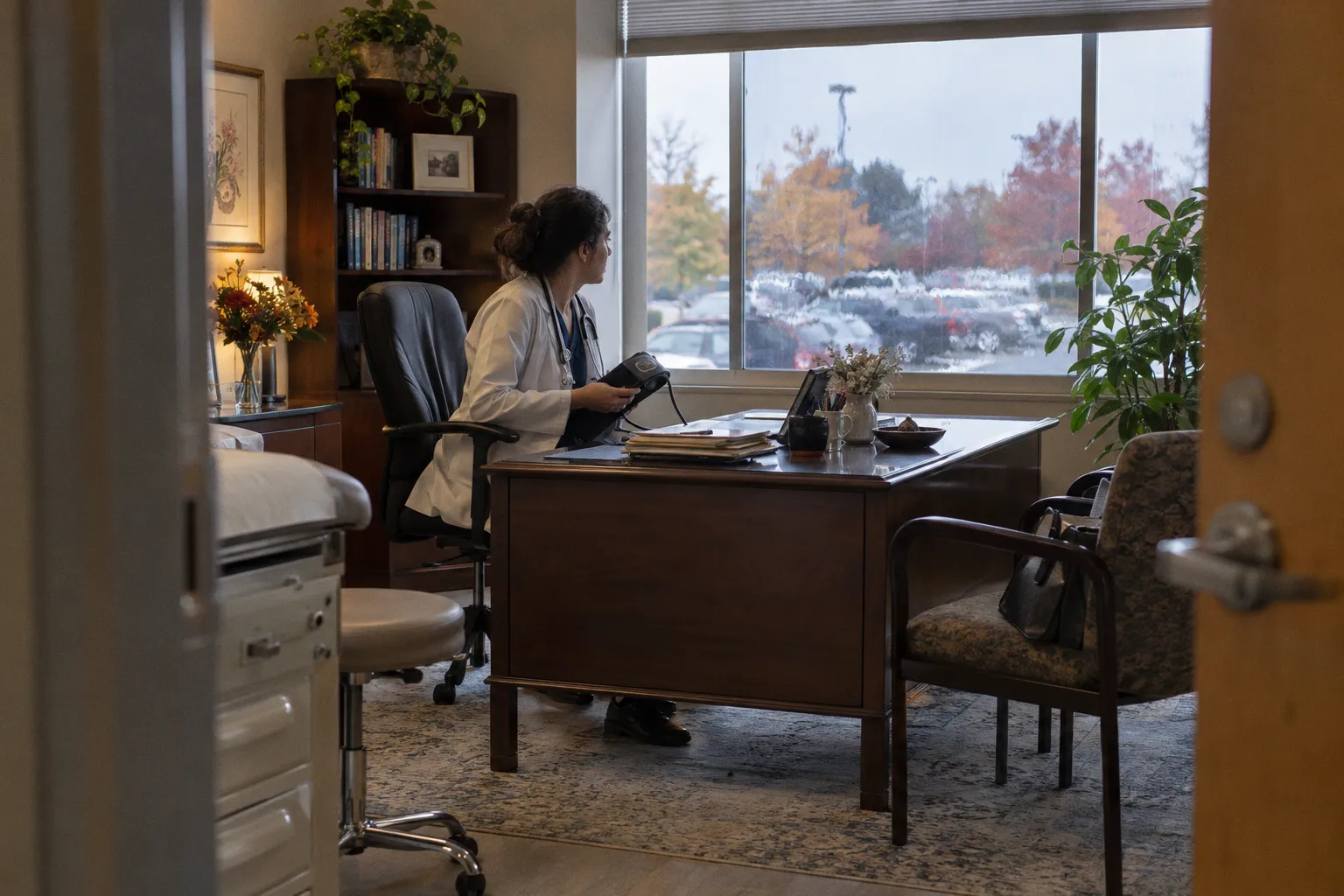
A new global survey of more than 1,000 maternal health professionals, commissioned by the Wellcome research foundation and released this month, finds that nearly three-quarters have seen a sharp rise in heat-related pregnancy complications over the past five years. For anyone sitting in a prenatal visit right now, this is the real-world signal we needed to start treating heat as a clinical risk, not a lifestyle footnote.
What maternal health workers are seeing
The Wellcome survey covered countries including Brazil, India, Zimbabwe, Australia, and the UK. Seventy-three percent of maternal health professionals reported an increase in heat-related complications over the past five years, and more than three-quarters saw increased harm to the fetus or newborn over the same window. Nearly every respondent had cared for a pregnant woman or baby whose health was affected by extreme heat. Roughly a quarter had seen heat-linked pregnancy complications that needed monitoring or treatment, while more than a third also reported low birth weight, restricted growth, dehydration, and heat-related illness in newborns. Difficulties with feeding, breathing, and temperature regulation were common, and more than 90% wanted more training and resources to protect pregnant patients during severe temperatures.
The findings were released on 5 October at a pre-COP summit in Fiji, where Wellcome launched a global call to action ahead of COP31 in Antalya, Türkiye, in November. Julia Gillard, chair of Wellcome and former prime minister of Australia, framed it bluntly: "Extreme heat is an invisible killer, but pregnant women must not be invisible. Leaders have the evidence and solutions they need—now they must act."
Why heat hits a pregnant body so much harder
We already knew this from physiology, and now we are hearing it from the bedside. Pregnancy expands blood volume, pushes the cardiovascular system harder, and lowers the threshold for dehydration. Heat layered onto a crowded home, a long commute, or a heat wave without cooling can push a pregnancy from stable to stressed, and the literature has linked it to preterm birth, low birth weight, hypertensive complications, and, in the worst cases, maternal and newborn death.
The heat story does not sit in isolation. This week, the World Health Organization launched its Global Roadmap for Hypertensive Disorders of Pregnancy, running 2026 to 2035 and beyond. Pre-eclampsia alone is estimated to complicate 10 to 15% of pregnancies worldwide and account for about 16% of maternal deaths, with hypertensive disorders tied to roughly 42,000 maternal deaths and over 500,000 stillbirths and newborn deaths every year. The roadmap, released at the Society for Maternal-Fetal Medicine Global Conference, calls for stronger prevention, earlier detection, and reliable access to blood pressure monitoring, urine protein testing, and essential medicines such as aspirin, antihypertensives, and magnesium sulfate. Dr. Pascale Allotey, director of WHO's Department of Sexual, Reproductive, Maternal, Child, Adolescent Health and Ageing, put the through-line plainly: pre-eclampsia can develop in any pregnancy, and whether it becomes fatal depends on whether blood pressure is checked in time and whether quality emergency care is within reach.
What to bring to your next prenatal visit
Wellcome has invested more than £20 million in research, including the HAPI Zimbabwe study, which is working with 1,600 women in urban South Africa and rural Zimbabwe on low-cost interventions. Fortunate Machingura, Zimbabwe country director at the Wellcome Consortiums, told SciDev.Net that advice means little if water is kilometres away. Interventions being tested include personalized smartphone heat-alert warnings (relayed by community health workers to women without phones), cooling kits for hydration and sun protection, and reflective roofs to cool buildings. Some of the most effective moves are the simplest: families sharing demanding tasks, scheduling work for cooler hours, and male "heat champions" helping fetch and store water.
So here is the next question worth raising with your provider, wherever you live: given your stage of pregnancy, your local climate, and your housing situation, what is our specific plan for hot days? That conversation should cover hydration targets, the warning signs of heat strain and preterm labor that warrant an immediate call, where to access cooling if your home is not safe in a heat wave, and whether your blood pressure monitoring should be tightened during the warmest months. Heat is no longer background weather. It is a clinical variable, and prenatal care is finally catching up.