Nigeria Reports 22 Percent Drop in Maternal Mortality Under Health Agenda
According to the Federal Ministry of Information and National Orientation, Nigeria's Federal Government has reported significant gains in maternal and newborn health, primary healthcare, and local…
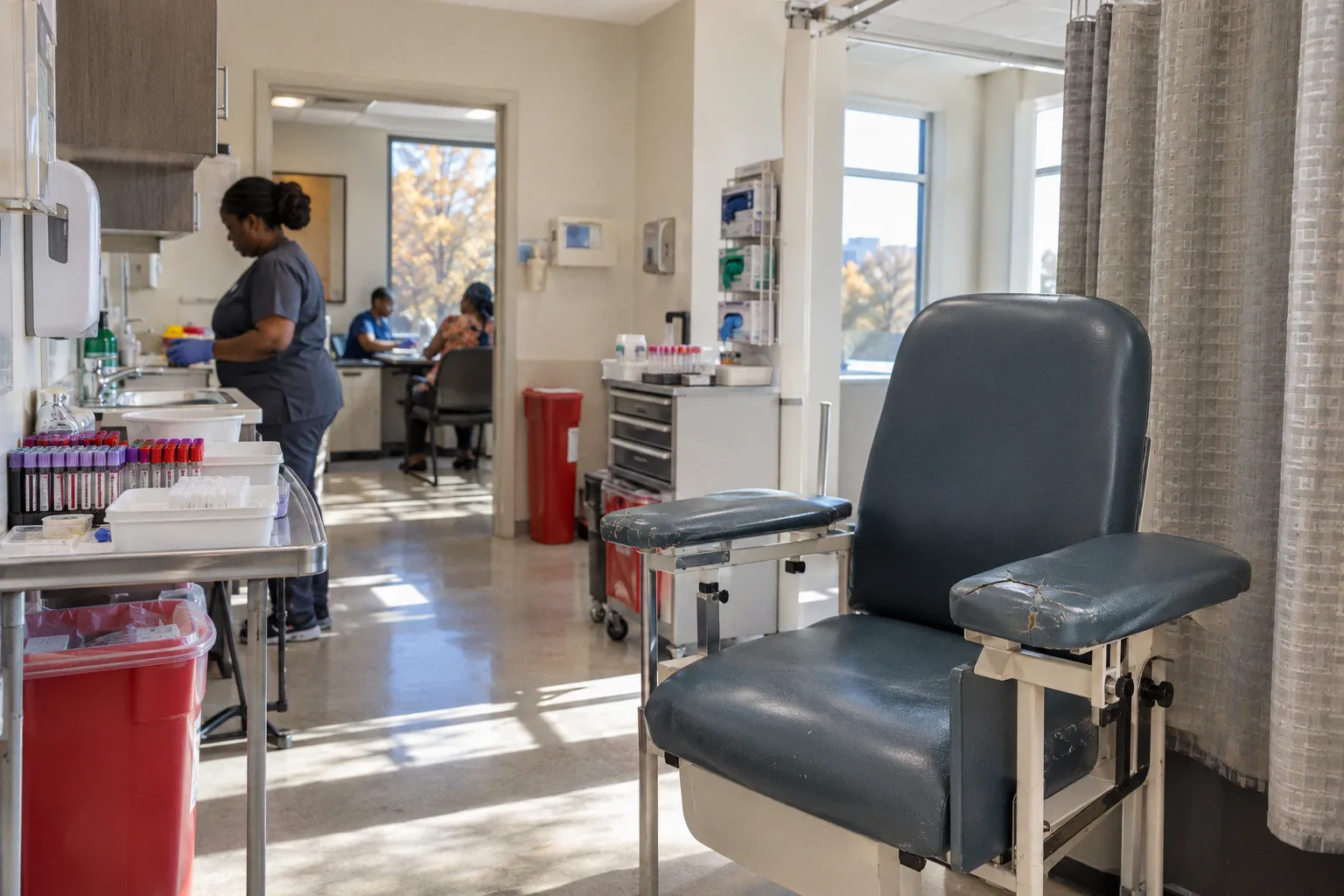
According to the Federal Ministry of Information and National Orientation, Nigeria's Federal Government has reported significant gains in maternal and newborn health, primary healthcare, and local pharmaceutical manufacturing under President Tinubu's Renewed Hope Agenda, with the most striking clinical signal being a 22 per cent drop in maternal case fatality across facilities participating in the Maternal and Newborn Mortality Reduction Innovation Initiative (MAMII) between 2024 and August 2026. For those of us working in obstetrics, this is the kind of data point we look for first, because maternal mortality is the most unforgiving endpoint we track, and a sustained double-digit decline across 172 high-burden local government areas is not a small thing. The Ministry also reports that roughly 750,000 women were linked to antenatal care in those priority areas within the preceding year, and that the National Health Insurance Authority had reached more than 93,000 women and newborns through its emergency maternal, newborn, and fistula programmes by August 2026.
What the numbers say about your baseline
We often see expectant mothers arrive at their first antenatal visit already navigating anaemia, undiagnosed hypertension, or a previous caesarean scar that nobody has properly mapped. The MAMII focus on 172 high-burden LGAs is, in effect, a bet that concentrated intervention in the geographies carrying the heaviest mortality load will move the national curve, and the 22 per cent case fatality reduction across participating facilities is the early evidence that the bet is working. The antenatal linkage figure of 750,000 women matters because what we lose in obstetrics, we lose at booking, and any system that brings a woman into a clinic before 20 weeks changes her trajectory for hypertension, gestational diabetes, and postpartum haemorrhage planning. If you are a clinician working with Nigerian patients, this is a useful moment to ask which facility you are booking into falls inside or outside those 172 LGAs, because resourcing is being steered toward them.
The neonatal front line, and why SCBUs matter
The companion story from the University of Abuja Teaching Hospital (UATH) brings the federal data down to a single unit. UATH has just commissioned a renovated Special Care Baby Unit with modern incubators, phototherapy units, and continuous positive airway pressure (CPAP) machines, the three pieces of equipment we lean on hardest when a neonate arrives preterm, jaundiced, or in respiratory distress. According to reporting on the hospital, UATH's leadership has framed infrastructure quality as inseparable from clinical outcomes, and clinically we agree: a sterile, temperature-controlled environment with functional CPAP is often the difference between a baby who goes home at 36 weeks and one who does not. UATH also serves as a tertiary referral centre for complicated pregnancies from the FCT and surrounding states, so the upgrade is regional in practice, and it reduces the dangerous habit of transferring a critically ill neonate across long distances for basic intensive support.
The broader federal picture adds another layer. More than 18 million girls aged nine to 14 have received the HPV vaccine. Three cancer treatment centres in Katsina, Benin, and Enugu have been commissioned with NSIA MedServe, and ten diagnostic and specialist centres were completed in October 2026. Local manufacturing is also expanding, with ten factories producing priority health products now commissioned, six of them in 2026, and a Presidential Executive Order extending tax and tariff relief to eligible pharmaceutical manufacturers.
What to watch, and what to ask at your next visit
Insurance coverage has climbed from roughly 16 million Nigerians to more than 23 million by September 2026, with 2.7 million of those enrolled through subsidised pathways for the poor and vulnerable, which directly affects how a pregnant woman pays for antenatal labs, ultrasound, and emergency transport. We would watch three things next: whether the 22 per cent case fatality reduction holds as more LGAs are added, whether the revitalised 3,526 primary healthcare centres and 14,107 functional clinics can sustain staffing and consumables once the initial capital injection is spent, and whether UATH-style neonatal upgrades spread beyond teaching hospitals into secondary facilities. Your next question for your doctor is a simple one: ask which level of facility your pregnancy is being routed through, and whether that facility sits inside the MAMII priority network, because that single answer will tell you how much of the federal investment is actually reaching your antenatal pathway.